

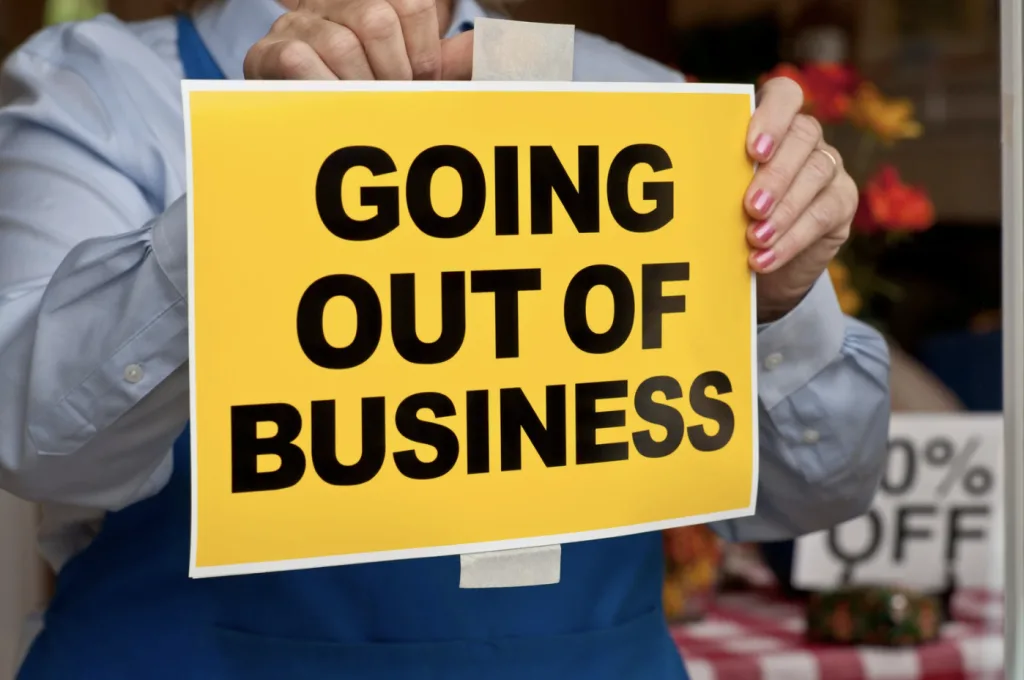
Closing a small business is rarely an easy decision, and it doesn’t necessarily mean your debts disappear. Whether you’re winding down voluntarily or facing financial pressure, how your business debts are handled after closure depends on several key factors, including your business structure, state laws, and whether you’ve signed any personal guarantees.
Understanding what happens to outstanding debts before shutting down is crucial. Without a proper plan, creditors may still pursue repayment, potentially putting your personal assets or credit at risk.
Here’s what you need to know about how debt is treated when a small business closes, what your legal obligations may be, and how an experienced business attorney can help you protect yourself and move forward.
Business Debt Basics
Business debt refers to any financial obligation your company takes on to operate, grow, or sustain cash flow. This can include:

- Commercial business loans
- Credit cards
- SBA loans
- Merchant cash advances
- Vendor or supplier debt
- Payroll and employment taxes
- Leases or real estate loans
- Utility and service provider accounts
When your business closes, these obligations don’t automatically go away, and your personal liability for them depends largely on your business’s legal structure — more on that in a minute.
Implications of Closing a Business
When a small business closes, the financial and legal consequences can vary dramatically depending on how the closure occurs.
Some business owners choose to close voluntarily after years of operation, while others are forced to shut down due to mounting debt or declining revenue. In either case, you’ll need to address your outstanding debts, manage creditor relationships, and ensure the closure complies with state and federal laws.
Voluntary vs. Involuntary Closure
A voluntary closure occurs when the business owner decides to shut down. In this scenario, you typically have more control over how to settle debts and distribute remaining assets.
An involuntary closure, on the other hand, usually happens when creditors, lenders, or the bankruptcy court force the business to close due to unpaid debts. In involuntary cases, owners often have less flexibility and may face legal action from creditors or tax authorities if debts remain unpaid.
Bankruptcy as Part of Closure
For many small business owners, bankruptcy becomes part of the closure process. Bankruptcy doesn’t always mean failure. In fact, it can provide structure and protection when dealing with creditors and outstanding debts.
The right approach to bankruptcy depends on your business structure, asset level, and whether you want to close the business entirely or restructure. Working with a bankruptcy attorney ensures compliance with legal requirements and helps protect your personal assets where possible.
Debt Responsibility by Business Structure
Understanding your structure is the first step in determining what happens next when your business closes. Here’s how different business entities handle debt:
- Sole proprietorships: The simplest structure, but also the riskiest. The business owner and the business are considered one and the same. That means if the business can’t pay, creditors can pursue your personal property, bank accounts, or other assets to satisfy debts.
- Partnerships: In a general partnership, each partner shares equal responsibility for debts. In a limited partnership, only general partners carry full liability, while limited partners are typically only at risk up to the amount of their investment.
- Limited liability companies (LLCs): LLCs offer a degree of legal separation between personal and business assets. Generally, members aren’t personally liable for company debts unless they’ve signed a personal guarantee or engaged in fraud or negligence.
- Corporations: As separate legal entities, corporations shield owners from personal liability. Creditors can only go after corporate assets (not personal ones) unless there’s evidence of wrongdoing or a personal guarantee on the loan.
Options for Handling Business Debt After Closing
Once your small business closes, you’ll still need to resolve remaining debts. Ignoring them can lead to legal action, damaged credit, or loss of personal property. Depending on your situation, you have several options:
- Negotiate with creditors: Many lenders prefer a partial repayment or settlement over costly lawsuits. You may be able to extend payment terms, settle for less than the full amount, or have certain fees forgiven. Just be sure to document any agreements in writing.
- Liquidate business assets: Selling equipment, inventory, vehicles, or property can help pay down what you owe. Funds from liquidation go first to secured creditors, then unsecured creditors, with any remainder distributed to owners or shareholders.
- File for bankruptcy: If debts are unmanageable, bankruptcy may provide legal protection. Chapter 7 can discharge unsecured debts, while Chapters 11 and 13 allow repayment under a court-approved plan. A bankruptcy attorney can help you evaluate your best option.
- Address personal guarantees: If you personally guaranteed loans. MCA’s or leases, creditors can pursue you directly once the business closes. An attorney can help you negotiate settlements, reduce liability, or explore personal bankruptcy if necessary.
Legal Protections and Consequences
Closing your business doesn’t automatically stop creditors from pursuing repayment of the debts owed. Here’s what to know about how different financial obligations are handled and what protections may still apply:
- Secured vs. unsecured creditors: Secured creditors have collateral backing their loans and can seize those assets if you default. Unsecured creditors, such as suppliers or credit card companies, can seek court judgments to recover what’s owed.
- Taxes and government obligations: Sales tax, payroll tax, and income tax debts usually remain your responsibility even after closure. The IRS and state agencies may hold owners personally liable, especially for unfiled returns or unpaid employment taxes.
Impact on personal credit: Business debts tied to personal guarantees can appear on your personal credit reports if they go unpaid. While purely business accounts often stay separate, delinquencies or collections in your name will damage your personal credit. - Potential lawsuits or collections: Creditors who don’t receive payment may file lawsuits to recover their losses. A court judgment can lead to wage garnishment, liens, or bank account levies. Early legal guidance with an experienced attorney focusing on debt resolution can help you avoid these outcomes.
Final Steps When Closing a Business
Properly winding down a small business helps prevent future liability and ensures compliance with state and federal laws. Here are the key steps to take:
- Dissolve the business legally: File Articles of Dissolution with your state’s business registry to formally end the entity. This step officially terminates your business and prevents ongoing tax or reporting obligations.
- Notify creditors and stakeholders: Inform lenders, vendors, employees, and customers in writing. Early notice helps avoid disputes and gives you the chance to settle or negotiate outstanding debts.
- Cancel licenses and permits: Close out any local or federal registrations, such as business licenses, liquor licenses, or sales tax accounts, to prevent additional fees or penalties.
- Settle final taxes: File final income tax and sales tax returns, pay remaining payroll taxes, and close tax accounts with the IRS and state agencies.
- Keep detailed records: Retain financial statements, contracts, tax filings, and creditor correspondence for at least seven years in case of audits or legal inquiries.
Why You Need a Business Lawyer
Closing a small business involves complex legal, financial, and tax issues. A business attorney can help you:
- Negotiate with creditors to reduce or settle outstanding debts.
- Ensure proper dissolution and compliance with state laws.
- Protect your personal assets from business liabilities.
- Review personal guarantees and potential bankruptcy options.
Represent you in creditor disputes or litigation.
Even if your business is small or informal, professional legal guidance can prevent costly mistakes and protect your financial future.
The Bottom Line
When closing a business, understanding your responsibilities and following a structured exit strategy can help reduce your personal risk, resolve outstanding obligations, and make it possible to move forward with confidence.
If you’re planning to close your small business — or struggling to manage business debt — it’s a good idea to consult an experienced business debt attorney. Our experienced attorneys can review your situation, explain your legal rights, and develop a strategy that helps protect your credit, finances, and personal assets as a client of the office.
We offer a no-obligation phone consultation—call us today at (866) 890-7337 or fill out our short contact form. Your information is always kept confidential, and we never sell or share your details.
If you need help with your MCA debt, regardless of whether you’ve already fallen for a financial scam, a debt relief attorney can help. Here at Tayne Law Group, we pride ourselves on helping business owners navigate their MCAs and find a resolution that works for them. Contact Tayne Law group today by calling (866) 890-7337 or filling out our short contact form to set up a consultation. We never share or sell your information, and all conversations are confidential.