

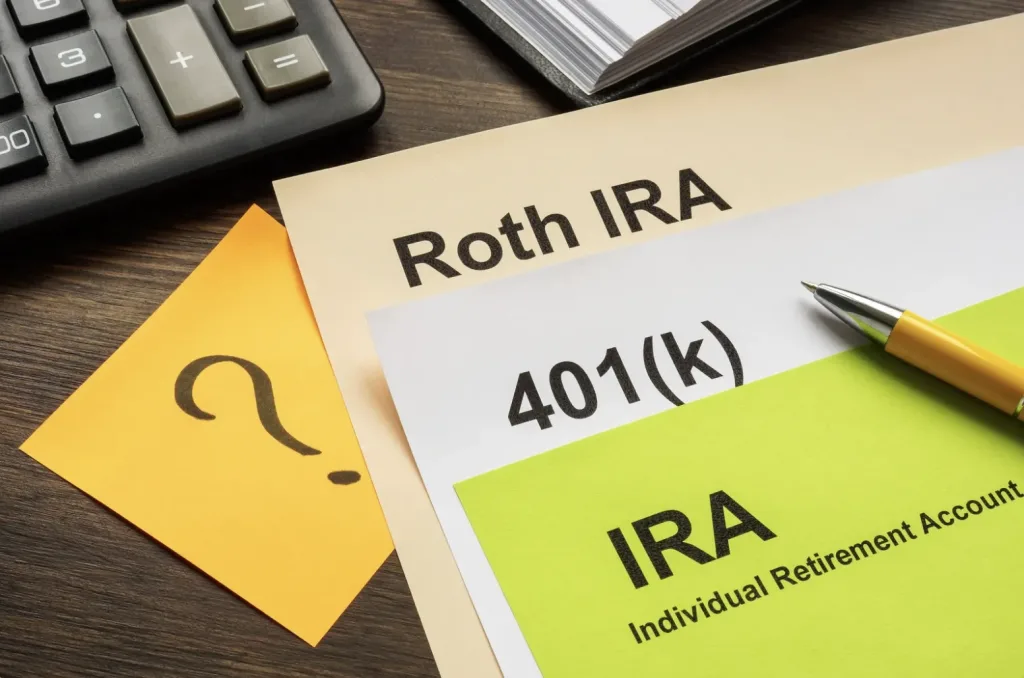
If you’re struggling to pay your debt, one of your biggest fears may be that your creditors could come after your assets, including your hard-earned retirement savings. Luckily, most retirement accounts have strong legal protections against garnishment, so you don’t have to worry about your life savings disappearing. It’s important to understand how these protections work, which accounts are protected, and the limitations.
Federal Protections for Retirement Accounts
The federal government has put protections in place for retirement accounts and certain government benefits.
ERISA-Protected Accounts (401(k), 403(b), Pensions)
Employer-sponsored retirement accounts, including 401(k) plans, 403(b) plans, and pensions, enjoy strong federal protections under the Employee Retirement Income Security Act (ERISA). These accounts generally can’t be garnished by creditors, including credit card companies, personal loan lenders, medical creditors, and other unsecured creditors.
IRA Protections and Vulnerabilities
Individual retirement accounts (IRAs) aren’t quite as protected as employer-sponsored plans. Your IRA is protected in bankruptcy up to roughly $1.7 million (this number is adjusted periodically for inflation.

Outside of bankruptcy, your IRA’s vulnerability to creditors depends on state law. Some states fully exempt IRAs from creditors, while others provide partial or limited protection.
Social Security and Government Benefits
Government benefits, including Social Security retirement benefits, Supplemental Security income (also known as Social Security disability benefits), VA benefits, and federal pensions, are strongly protected from creditors. In most cases, creditors can’t garnish these wages the same way they could other wages.
There are some exceptions, however. For example, you could have your government benefits garnished to pay for unpaid taxes, child support, alimony, or other federal debts.
Can Credit Card Companies Garnish Your Retirement Accounts?
In most cases, credit card companies can’t garnish your retirement accounts.
First, credit card companies can’t access the money in your ERISA-protected accounts, which include 401(k)s, 403(b)s, and pensions. However, IRAs are more of a gray area. Some states provide strong protection for IRAs, while others may allow creditors to access your IRA funds.
It’s important to remember that your retirement funds are safest while they’re actually in the account. Once you withdraw the money or roll it over into a new, unprotected account, it could be vulnerable to creditors.
Debts That Can Access Retirement Accounts
For the most part, creditors can’t access your ERISA-protected retirement accounts to cover your unpaid debts, but there are some exceptions.
IRS Tax Debt
The IRS has the authority to levy most retirement accounts for unpaid taxes. This includes your 401(k), IRA, and pension. You may also then owe taxes and penalties on the money withdrawn.
According to the IRS, it is its policy not to levy taxpayers’ retirement savings unless the taxpayer has engaged in “flagrant conduct.” In other words, the IRS might tap your retirement savings to cover unpaid tax debt if it finds you’ve intentionally avoided paying your taxes, but perhaps not if you made an unintentional error on your tax return or are simply struggling to pay your tax debt.
Child Support and Alimony
The government can garnish your retirement accounts to pay for unpaid child support and alimony. A court can issue a Qualified Domestic Relations Order (QDRO) to divide your retirement assets. They’re among the few debts that can bypass ERISA’s protections.
Federal Criminal Restitution and Government Debts
Finally, you could have your retirement accounts garnished if you owe federal criminal restitution and some other federal government debts. For example, the Mandatory Victims Restitution Act (MVRA) gives the federal government power to garnish many different assets, including retirement accounts, to pay for restitution if you’ve committed a crime against another person.
Protecting Your Retirement Savings from Creditors
Your retirement accounts are among the most valuable assets you have, since they’re designed to support you during old age. Because of that, it’s critical to take steps to protect them.
Know Your Account Type and Protections
If you’re worried about your assets being seized by creditors, it’s often helpful to understand what accounts you have and how they’re protected. For example, if you’re behind on your credit card payments and have a 401(k), you can rest easy knowing your credit card company can’t access those dollars.
If you have an IRA, you should research your state’s laws to learn what protections you have.
Don’t Withdraw to Pay Debts Without Legal Advice
Your retirement funds are only protected while they’re actually in the account. As soon as you withdraw them, they become vulnerable to creditors. Avoid withdrawing money from your retirement accounts unless you absolutely have to. And if any creditor suggests you pull money from your retirement accounts to pay off your debt, don’t listen.
If you withdraw money from your retirement accounts, not only will they lose their ERISA protections, but you’ll also pay income taxes and penalties if you’re younger than 59½.
If you’re considering withdrawing money from a retirement account to cover your debt, always consult an attorney first.
When Debt Becomes Overwhelming
If your debt feels unmanageable, know that you still have options that don’t involve raiding your retirement accounts.
Options like debt settlement and bankruptcy can help eliminate some of your debt burden while preserving your retirement accounts. If you’re considering these solutions or aren’t sure what option is right for you, consult a debt relief attorney.
How Tayne Law Group Can Help Protect Your Future
Here at Tayne Law Group, we have decades of experience working with consumers like you to address overwhelming debt without sacrificing retirement savings.
We can explore legal strategies to resolve debt without touching your retirement accounts, including debt settlement and bankruptcy. We may also help you understand which debts pose a real threat to your hard-earned savings and can represent you in legal proceedings.
Conclusion
Luckily, most retirement accounts are well-protected from consumer creditors as long as you leave the money where it is. While there are some exceptions, you should avoid raiding your retirement accounts to pay off unsecured debt like credit cards.
If you’re struggling to pay your debt and are worried about putting your financial future at risk, we may be able to help. Tayne Law Group can work with you to explore debt relief solutions that protect your retirement assets and get your debts paid off. Contact Tayne Law group today by calling (866) 890-7337 for a free no obligation phone consultation or filling out our short contact form to set up a phone consultation. We never share or sell your information, and all conversations are confidential.